Bigger battery or smaller one? How to size watt-hours around the riding you actually do
How to translate a quoted range figure into distance you can count on, and why weight, terrain, cold and charging habits matter more than the number on the spec sheet.
Choosing an electric bicycle around rider fit, frame shape, weight and battery size rather than around marketing categories
The Mixte Bar
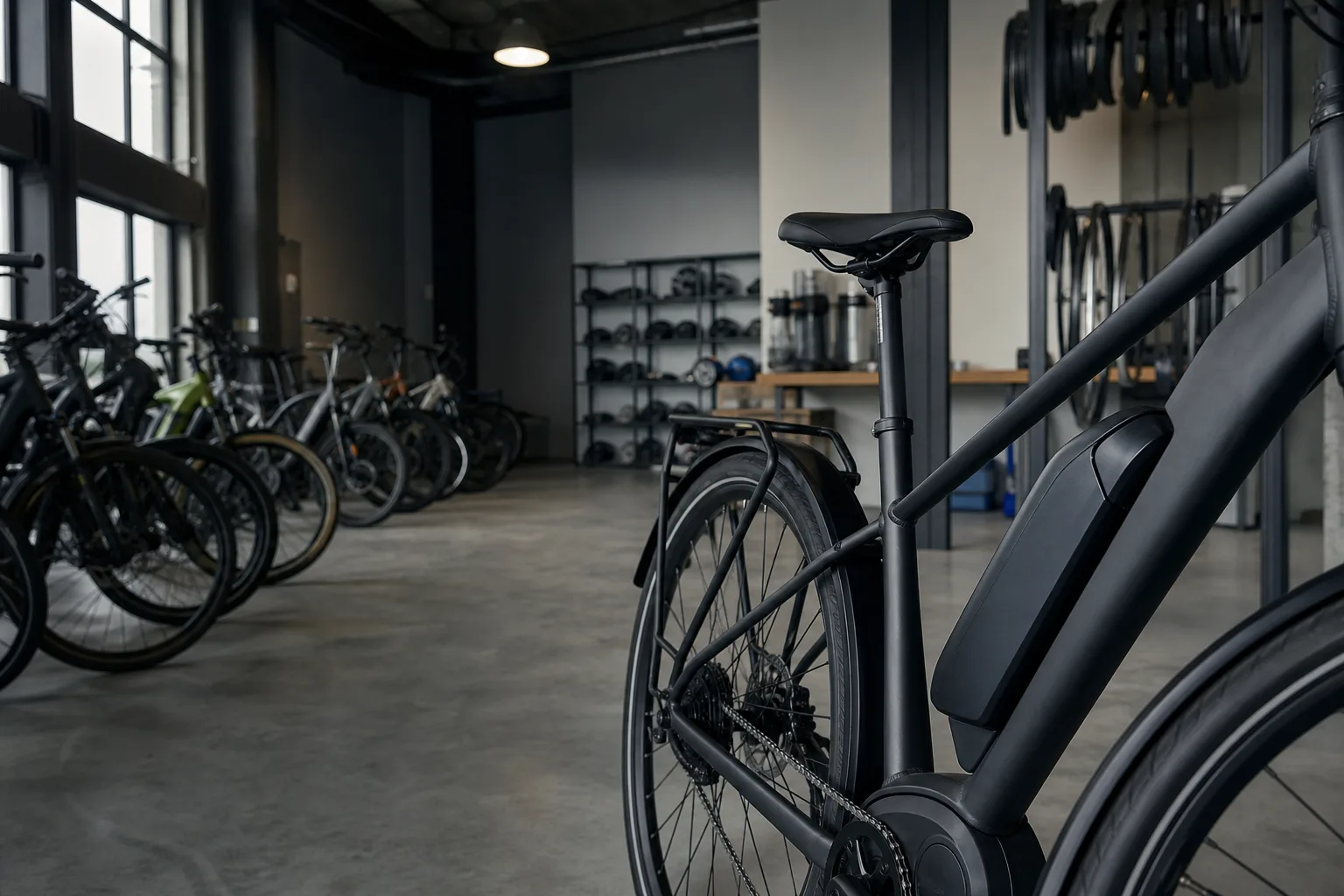
Watt-hours as the comparison unit
Volts multiplied by amp-hours gives watt-hours, the one figure that compares directly across brands. A listing that quotes only miles, or amp-hours with no voltage, is avoiding that comparison.
Two bikes sit side by side in the shop, one with a 400 watt-hour pack and one with a 630, and the price gap is a few hundred dollars. The smaller one quotes forty miles, the larger one sixty, and both numbers came from the same kind of test: a light rider, flat pavement, the lowest assist setting, mild weather, no cargo. What a careful buyer wants is not the quoted figure but the arithmetic underneath it, because that arithmetic is what changes when a two hundred and thirty pound rider loads a pannier and rides into a headwind in February.
1. Start from watt-hours, not from the range claim
Watt-hours are the honest unit: volts times amp-hours, printed on the pack or in the spec sheet, and directly comparable between brands in a way that advertised miles never are. A 630 watt-hour battery holds about half again what a 400 holds, which is the only relationship between those two bikes you can trust before you ride either. Range claims, by contrast, are the output of assumptions nobody publishes in full. Check that the seller states watt-hours at all; a listing that quotes only miles, or only amp-hours without the voltage, is hiding the comparison rather than making it.
2. Measure your own consumption before you decide
Most displays will show either watt-hours used or a percentage remaining, and either one, divided into the miles you covered, gives you a personal consumption figure worth more than any catalog. Borrow or rent a bike for an afternoon on your actual commute, with your actual bag, at the assist level you will actually use once the novelty wears off, and note what the battery gave up. Do it again on a hilly route. Two numbers, flat and hilly, bracket almost everything you will ride, and they scale cleanly to any pack size you are considering.
3. Weight and terrain move the number more than the motor does
A heavier rider, or a lighter rider carrying twenty pounds of groceries and a lock, is asking the motor for more work every time the bike accelerates and every time the road tilts up. On flat ground the penalty is modest, because once you are rolling, most of the resistance is air rather than mass. On hills the penalty is direct and unforgiving, since lifting weight up a grade costs energy in proportion to the weight lifted. If your route has real climbing, size the pack against the hilly measurement and treat the flat one as a pleasant surprise.
4. Cold weather and assist level are the two big discounts
Lithium cells deliver less usable capacity when they are cold, and the effect is largest on the first miles of a winter morning before the pack warms from use. The Department of Energy tracks battery performance and temperature behavior across the vehicle sector, and the same chemistry sits in a bike pack. Assist level does more damage still: the top setting can consume several times what the lowest one does, because the motor is supplying most of the propulsion rather than trimming the effort. Storing the bike indoors overnight and riding one notch lower recovers more distance than any upgrade.
5. Buy for the battery you can still replace in five years
A pack is a consumable, and the sensible question is what a replacement costs and whether one will exist. Frame-integrated batteries are usually proprietary to a model year, so ask the shop directly whether that exact pack is still stocked for bikes from three or four seasons back, and what a new one lists for. Ask, too, about charging habits: keeping the pack between roughly a fifth and four fifths of full for daily use, and topping to full only before a long ride, is the routine that keeps capacity high. A slightly larger battery, charged gently and rarely emptied, ages better than a small one worked to the floor every day.
The bike worth buying is the one whose pack covers your longest ordinary ride, in cold weather, at the assist level you like, with something left over. Work out that distance first. Then the choice between the 400 and the 630 stops being a question about price and becomes a question you have already answered.